Trust Over Titles: Why Connection Matters More Than Credentials in Coaching


Coaching has developed into an internationally recognized profession. But in a world where anyone can call themselves a coach, how do you know if you’re working with a professional coach who has the skill, knowledge, and ethical commitment to guide change for leaders?
Everyday encounters bring us to individuals who seek to assist others yet many of them fail to understand the distinction between self-proclaimed coaches and those who adhere to established professional coaching standards. If you want to become a coach for yourself, you need to understand how professional coaches differ from each other because this knowledge will help you make your next decision.
The Credential Fallacy: What Actually Predicts Outcomes
The research findings demonstrate that the coach-coachee relationship quality serves as a better predictor of coaching success than any formal certifications or titles. Studies that utilize working-alliance measures demonstrate that a strong coaching relationship correlates with positive coaching outcomes which include both affective and cognitive domains.
The working alliance between coach and client has a reliable positive relationship with coaching efficacy regardless of coaching type (Terblanche, van Heerden, & Hunt, 2024).
Research indicates that trust and transparency allow coachees to share genuinely, engage fully with the process, and adopt new behaviours (Terblanche & Heyns, 2020). The factors here explain how outcomes differ from the coach education level and the total number of credentials held by coaches.
Why certificates don’t guarantee fit or results
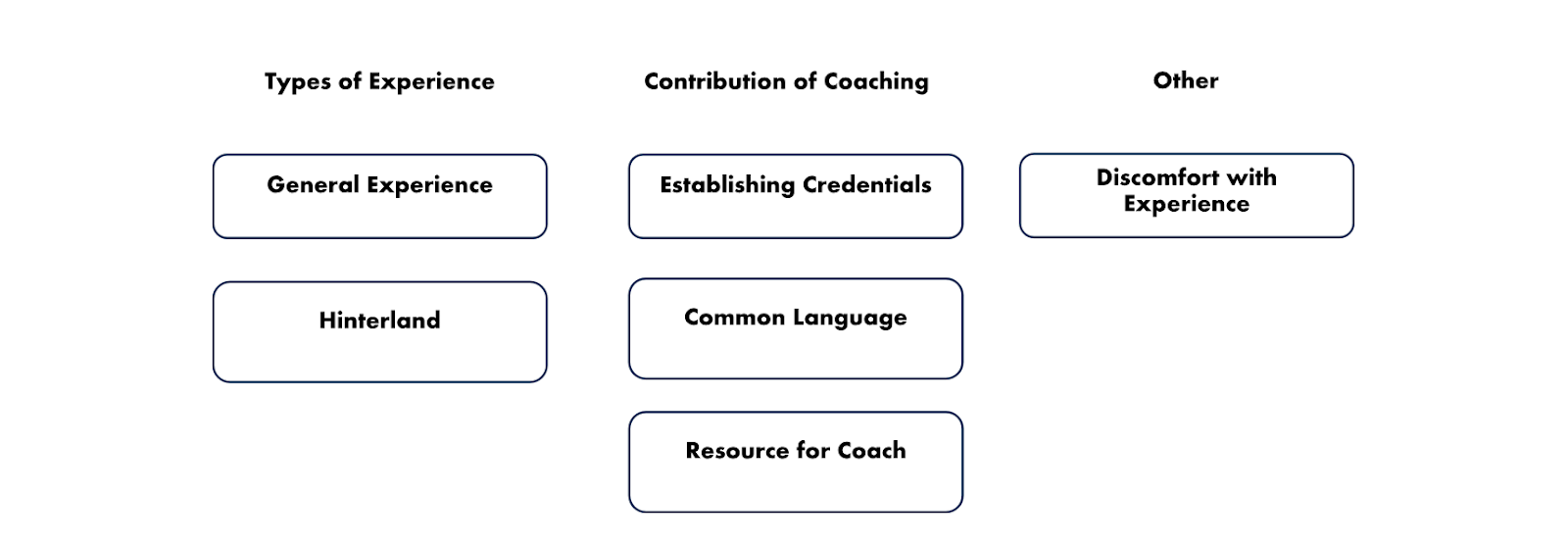
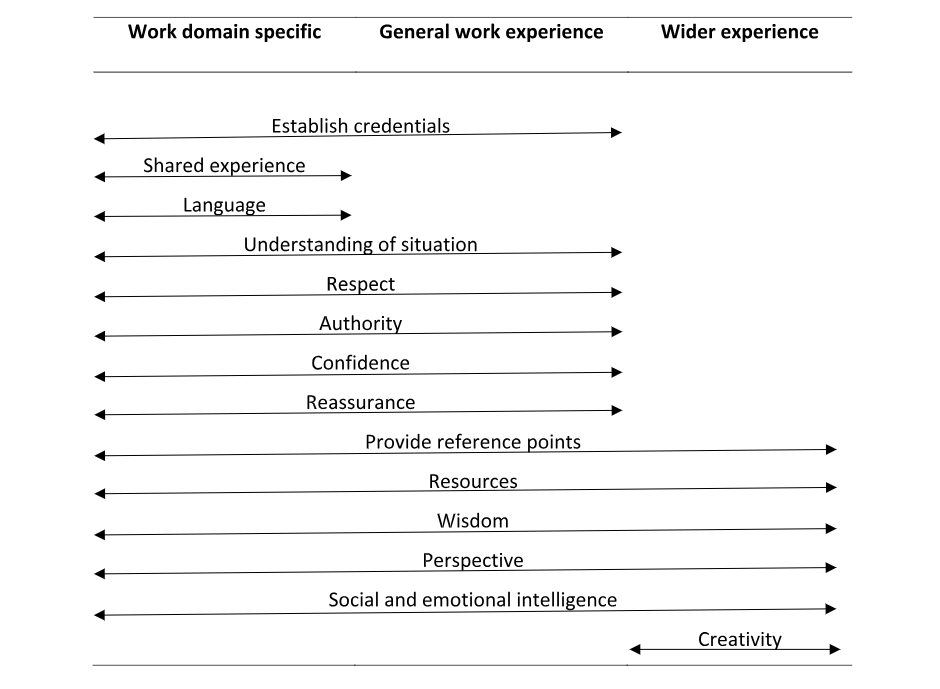
People who possess formal credentials and specialized expertise will receive initial credibility but this does not guarantee their ability to deliver successful coaching results. Studies show that prior domain experience may enhance mutual understanding and language but what actually determines client success is the working alliance. The main point of the research shows that George and Rose (2024) identified two critical elements which need to exist for successful collaboration between people to occur.
What high performers really buy: clarity, cadence, accountability
Leaders seek coaching not for an academic badge but for tangible behavioural change (Grant & O’Connor, 2019). The elements that create successful coaching relationships.
More effective mentorship programs at work:
- Clarity under complexity: A trusted coaching relationship enables deep reflection, clearer mental models, and adaptive decision frameworks.
- Consistent cadence: Trust accelerates engagement; when coachees feel safe, they participate more fully in regular sessions, which strengthens momentum.
- Accountability that matters: External accountability from a coach who has earned a coachee’s trust provides measurable follow‑through on goals. Leaders report higher adherence to developmental commitments when the relationship is solid.
High performers acquire a relational engine which provides insight and practical solutions while enabling permanent changes in their behaviour, and the engine operates through the foundations of trust and psychological safety.
Proof Over Paper: Evaluating Coaches Using Real Signals
The following guidelines provide readers with practical methods to assess coaching claims by reading them critically while they identify social proof elements that demonstrate actual results and use brief case studies to confirm their findings.
For case snapshots, use short, structured social proof examples (from problem to intervention, to outcome) to gauge real impact. The measurement of results needs to occur within specific time limits while the intervention needs to achieve its declared results.
Coaching testimonials: how to read them critically
The process of reading coaching testimonials requires you to investigate the changes which occurred and the methods which assessed those changes and the people who validated the testimony. The analysis requires you to find specific before-after metrics and named roles or context and process detail which describes what the coach did during the coaching chemistry session.
The investigation needs to assess pattern existence together with client class evidence which includes multiple generic quotes and distinct accounts which demonstrate measurable changes through different types of evidence. The system requires video or LinkedIn statements because they provide testimonial verification compared to unattributed website blurbs.
Social proof examples that indicate real-world outcomes
Quantified before/after numbers (e.g., "reclaimed 8-10 strategic hours/week"), documented timelines (90 days), and group corroboration (team surveys, engagement scores). The evidence provides better proof than awards, badges, or vague superlatives.
How to verify coaching testimonials for authenticity:
- Can you find the client on a professional platform and does their story match trust signals (role, company, tenure)? If yes, credibility increases.
- Does the testimonial include concrete change (numbers, timeframes, specific outcomes) and is there a corresponding case study or follow-up metric? If yes, treat it as stronger evidence.
The formats that show dependable results include short micro case studies which present their findings through three stages which show their problem and intervention and metric results.
Case snapshots
The CEO spent all his weekdays working on operational duties before he received coaching training which helped him develop his strategic planning skills. The CEO achieved strategic project development because he used time auditing techniques and weekly one-on-one coaching sessions which provided him with eight to ten extra hours of work time.
The founder faced difficulty with daily management tasks because he needed to learn how to delegate work to others. The coaching sessions taught team members how to delegate tasks while they worked to achieve their organizational objectives. The senior team assumed control of fifty percent of operational duties which permitted the founder to concentrate on organizational expansion and essential decision-making processes.
The senior manager who possessed advanced technical skills faced difficulties in executive meetings because he lacked both visibility and executive decision-making authority. The manager developed confident communication and decision-making skills through executive presence coaching and stakeholder mapping training. The manager achieved recognition after completing the coaching cycle and he successfully took on cross-functional leadership roles while demonstrating increased team engagement and influence during meetings.
Fit First: Designing Your First Contact To Test Chemistry
The initial contact should function as a rapid and inexpensive test which evaluates three specific elements: rapport building and establishing common objectives and assessing practical understanding of the work process together with expected results. The assessment functions as a brief examination which requires you to collect evidence and reveal the coach's techniques while determining your level of comfort for open discussion.
Discovery call: what to prepare and what to ask
The discovery call establishes structured contact with prospective coaches to test their suitability for the coaching process. Provide a short overview of your leadership situation which describes your current objectives and existing difficulties while you request information about the coach's methods and their standard client results and session cadence organization.
Coaching chemistry session: signs of a productive partnership
The coaching chemistry session begins with introductory material but extends into an intensive demonstration which shows how two people will work together. The positive indicators of success show that both people understand their main work tasks while they use clear methods of communication and maintain visible personal connection.
Red flags
Certain indicators suggest the coaching engagement may not be effective. The red flags of this situation include two main issues which need to be addressed first because they lack a clear definition between the two opposing parts and because they show no interest in your particular situation. The first signs of these problems help organizations save both their time resources and their financial resources which they dedicated to leadership development programs.
Why 1:1 With Kasia Siwosz Works For Central London Leaders
Kasia Siwosz combines a high-performance athlete mindset with banking and executive leadership experience. The combination of her two abilities enables her to transform operational standards and employee conduct into coaching methods. In her own words:
“You don’t need someone to teach you how to win; you’ve mastered that already. Coaching is about clarity, direction, and sustainable growth under pressure.”
Her work shows senior leaders in London how to handle complex and fast-moving situations because of her ability to develop customized solutions that link personal development with business results.

Read a blog on lessons from my first year as a coach.
Limited roster, direct access, measurable cadence
Kasia keeps only specific clients because she wants to maintain ongoing direct contact with them. Her 1:1 coaching model uses a structured 90-day cadence: an audit, iterative coaching chemistry session, and results review. Coaching exists as a structured process which enables assessment of progress through measurable outcomes that link to your professional responsibilities and team objectives.
Confidentiality, boundaries, and clear success markers
Every engagement establishes secure dedicated areas which enable leaders to research their challenges without facing evaluation from others. Coaching ethics establishes clear boundaries and confidentiality standards while identifying success metrics through measurable time-limited results that exceed general goals. The coaching program provides Central London executives with essential expertise and accessible resources which combine to create a complete system that produces measurable leadership development results.
How The Engagement Delivers Results In 90 Days
The 90-day engagement framework of Kasia Siwosz enables organizations to achieve high-performance growth through its system which transforms complex leadership challenges into practical solutions. The leaders achieve three-month measurable results through a process which combines audit work with individual session cadence and establishes defined success criteria.
The structured evidence-based coaching program which this study tested for three months demonstrates its ability to fill leadership deficiencies and produce lasting changes in behavior. The London executives who need to handle intense work situations will achieve witnessable results through this method which protects their private information and personal space.
Self-Check: Are You A Good Candidate Right Now
You need to perform a faster assessment of your current situation. Coaching requires three essential elements which include your unimpeded time and your mental availability and your specific goals for transformation. You will receive benefits from your program when you provide ongoing attendance to sessions and you implement direct feedback and you track your development through specific measurement tools.
Signs you’re optimising credentials while avoiding real fit
Your decision process relies on initials and certificates and big-name logos instead of evaluating how a coach listens and understands your objectives. The first warning signal appears when you treat coaches as vendors while you refuse to establish measurable objectives and you want the coach to "fix" you without making any personal changes.
Questions to assess readiness for coaching ROI
Ask discovery questions whether I can block regular time while keeping it safe. The second question asks whether I will take action according to direct feedback I receive. The third question requires me to identify three measurable goals which I will achieve within 90 days. I need to track baseline metrics which I will assess with complete honesty.
The assessment for ROI of coaching will determine if coaching provides benefits based on your yes answers to most questions. See ways for finding focus in a distracted world.
From Awareness To Action: Where To Begin
The leaders establish their sessions as success pathways through their initial dedication to rapport building which they use to evaluate their rapport with others and their shared understanding and their ability to work together.
The most valuable coaching engagements are those where insight, structured interventions, and accountability are fully integrated into a leader's workflow. The process of establishing connection as the first step leads to operational sessions that include both reflection and active work.
Summary — Choose Connection, Then Credentials
You should schedule a discovery call or chemistry session to start your process of moving beyond your credentials and achieving measurable growth. The 1:1 engagement will allow you to test the coach client fit and define your objectives while observing how our structured approach turns trust into actual leadership outcomes. The relationship you choose will determine your subsequent impact capacity.
FAQ
How do I evaluate a coach-client fit during a 15-minute discovery call?
Focus on whether the coach understands your context, listens actively, and can articulate how their approach aligns with your goals. Trust your instinct on rapport - a good connection predicts engagement and measurable outcomes.
What outcomes should a coaching chemistry session confirm before I proceed?
The session should clarify expectations, coaching cadence, and your mutual working style. It should leave you confident that the coach can address your specific leadership gaps and priorities.
Which social proof examples indicate real results rather than marketing claims?
Look for case study examples, quantifiable outcomes, and longitudinal results, not just generic endorsements. Consistent references to measurable behavior change or performance gains indicate authenticity.
How do I verify coaching testimonials for authenticity?
Check for details about role, context, and specific results, and see if the testimonial aligns with documented frameworks or case studies. LinkedIn or professional references can provide corroboration beyond website quotes.
What data points should I track to measure ROI in the first 90 days?
Track outcome metrics such as reclaimed strategic time, completed goals, team engagement, and decision-making effectiveness. Compare baseline and follow-up measures for ROI of coaching to assess tangible behavioral change.
How is confidentiality defined and enforced between sessions?
Confidentiality policy means that all discussions and shared materials are private, not shared with HR or colleagues without consent. Coaches typically formalize this in agreements and consistently uphold secure communication channels.
What red flags indicate I should not start or should stop a coaching engagement?
Warning signs include a lack of clear methodology, evasive answers about outcomes, or poor rapport and trust. If sessions feel unproductive, judgmental, or inconsistent with your goals, it may be time to pause or terminate the engagement.
References
- Terblanche, N. H. D., van Heerden, M., & Hunt, R. (2024). The influence of an artificial intelligence chatbot coach assistant on the human coach-client working alliance. Coaching: An International Journal of Theory, Research and Practice.
- Terblanche, N. H. D., & Heyns, M. (2020). The impact of coachee personality traits, propensity to trust and perceived trustworthiness of a coach, on a coachee’s trust behaviour in a coaching relationship. SA Journal of Industrial Psychology.
- George, A. J. T., & Rose, S. (2024). Been around the block: Is the prior experience of coaches in the workplace helpful? Coaching: An International Journal of Theory, Research and Practice.
- Grant, A. M., & O’Connor, S. (2019). A brief primer for those new to coaching research and evidence-based practice. The Coaching Psychologist, 15(1), 3–10.