From Manager to Leader: Coaching Strategies to Level Up Your Leadership


The process of changing from management to leadership requires organizations to implement new working methods and different forms of thought because the role needs more than just a title change. A leader must navigate several obstacles which include finding the correct balance between managing tasks and developing the future direction of their team.
The disciplined leader understands that this transition can be daunting. The majority of leaders dedicate their entire focus to executing tasks while they forget to maintain the essential vision that drives their teams. The 80/20 rule operates in this situation. You can achieve clear results by focusing your efforts on the essential activities which produce the greatest impact.
The Manager-to-Leader Gap: Why High Performers Stall
Research evidence shows that successful leadership development requires more than technical and operational skills because these skills do not develop people into strategic leadership roles. The research shows that only 38% of companies consider their leadership development programs effective in training managers to handle future challenges while 58% of new managers enter leadership positions without any leadership training for managers.
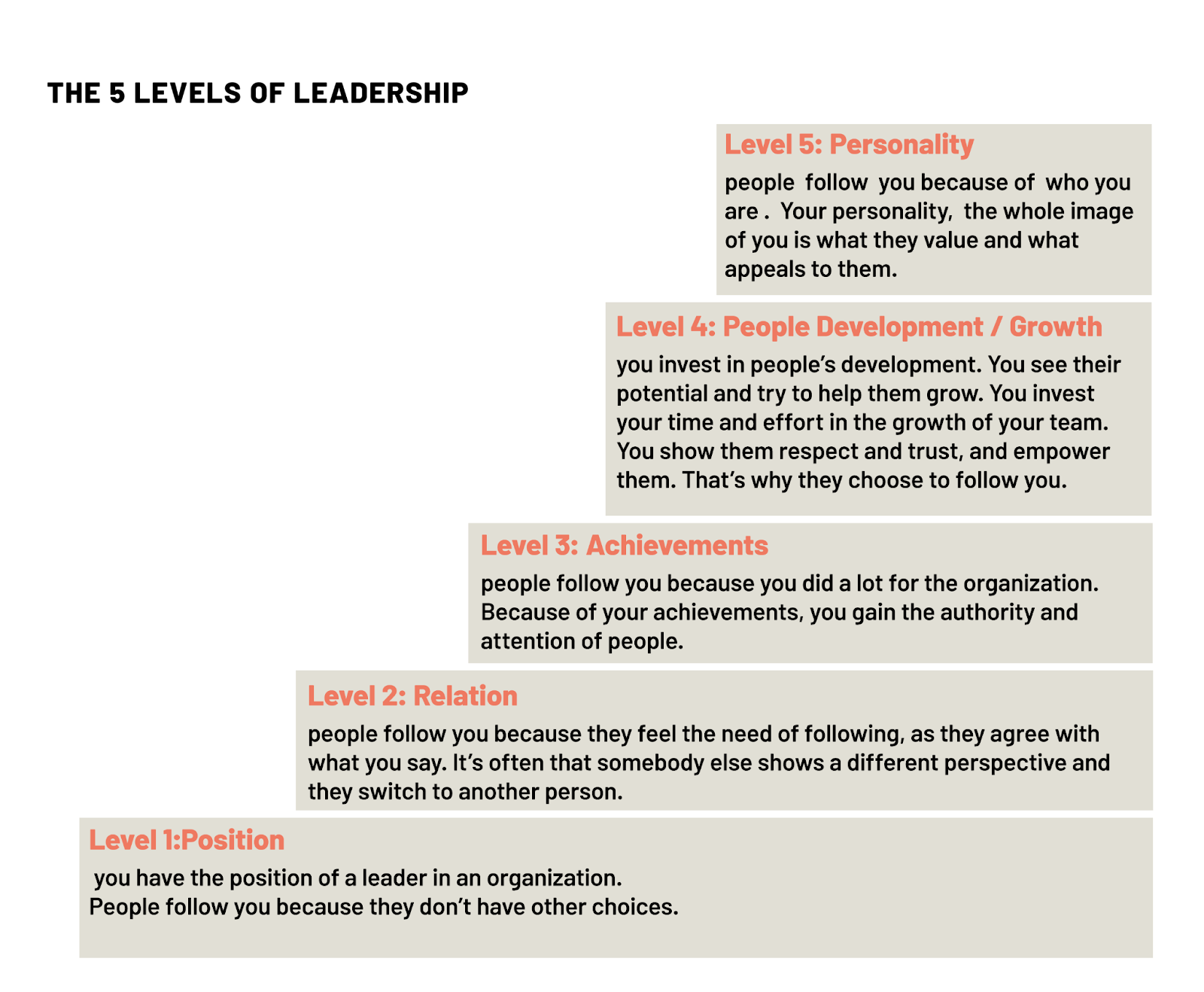
The coaching process assists professionals in overcoming their skill gaps through its training of performance management and strategic decision-making abilities. Leadership coaching delivers greater behavioral transformation results which enable leaders to achieve at more advanced levels than traditional leadership training for managers and work experience methods which provide only minimal performance improvement (Dion, Association for Talent Development, 2023).
When operational excellence blocks strategic growth
High performers who showed exceptional execution skills became successful managers. The research shows that 82 percent of newly appointed managers start coaching strategies without any previous leadership training because their operational management abilities only enabled them to handle daily tasks while they lacked essential leadership competencies.
Leaders depend on their technical skills which creates a leadership confidence gap because they fail to use strategic methods for team management. The research shows that leaders who receive coaching demonstrate better leadership skills because they can delegate tasks and they do not need to supervise their team members closely. The research shows that coaching helps employees develop from managing their tasks to becoming leaders who handle both strategic planning and personnel management (Anthony, E. L. 2017).
Signals you’ve hit a leadership ceiling
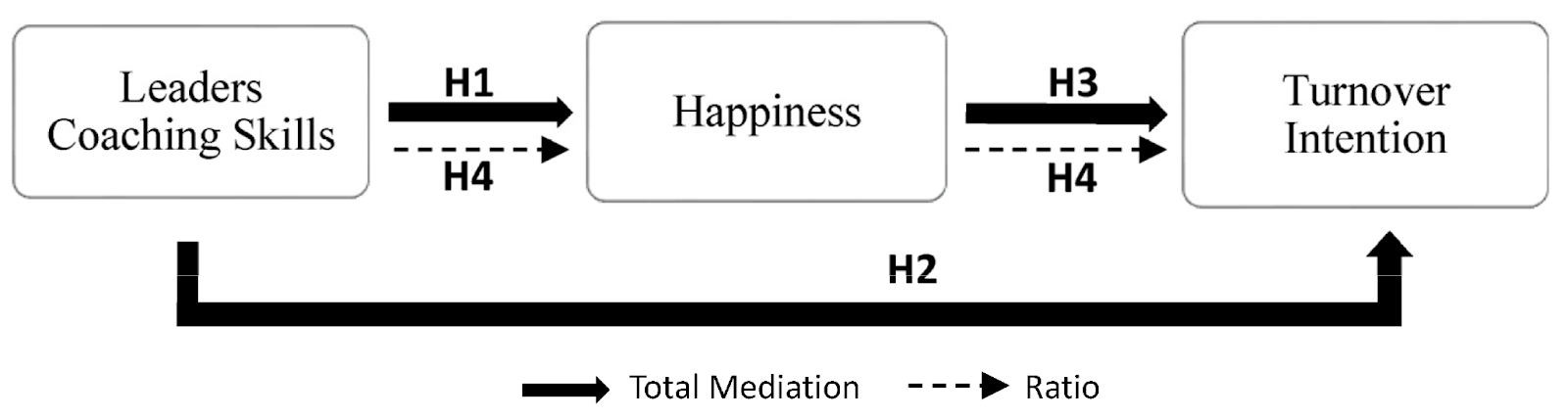
Romão, S., Ribeiro, N., Gomes, D. R., and Singh, S. (2022) demonstrated that leadership execution abilities of leaders need increased assistance when their execution capabilities reach their maximum point. The research findings show that leaders who possess coaching skills create work environments which decrease employee turnover rates.
In detail:
- Recurring performance bottlenecks despite operational expertise, particularly around team engagement and delegation.
- Feedback from peers or direct reports that centers on lack of clarity, inconsistent direction, or limited strategic influence.
- Self‑awareness of the GROW model. Leaders capable of tactical delivery but struggling to drive broader organizational outcomes.
So now the current lifestyle is not acceptable when these symptoms reappear. This allows assistance by developing executive capacities..
What Changes When You Lead Like A Coach
Organizations achieve their objectives while decreasing operational delays through their utilization of specific coaching methods which include particular questioning coaching techniques for managers and scenario-based training and assigned tasks.
he implementation of these practices in corporate leadership methods will result in measurable team performance gains together with better communication systems and increased employee confidence for psychological safety.
When leaders use coaching styles of leadership instead of traditional management techniques, they become more effective which leads to better team performance and improved team communication that creates an environment where workers can thrive and take ownership of their work.
Core Coaching Strategies For Leaders
The core coaching strategies enable leaders to develop essential skills which help them expand their organizational reach while they control their time through strategic delegation and establish systems which track their progress toward achieving measurable outcomes. The three tools of stakeholder mapping, delegation frameworks and performance scorecards serve as structured resources which help leaders transform their knowledge into practical solutions that benefit both their organization and their personal productivity.
Read a blog on lessons from my first year as a coach.
Stakeholder mapping and influence without authority
Many leaders must operate in settings which lack their power to make official decisions. Leaders can identify key stakeholders initially with the use of coaching. Leaders need to determine their communication preferences because it helps them create targeted messages which will generate specific results.
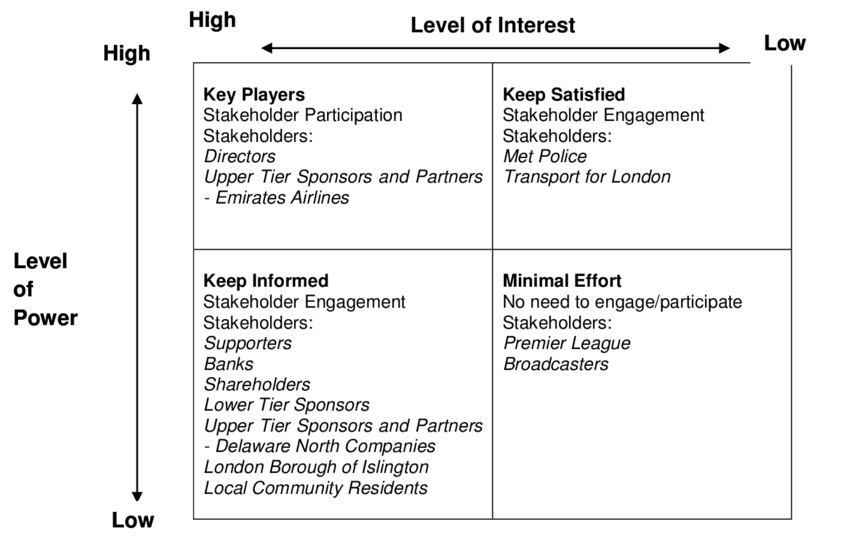
The methods for influence without authority use persuasive techniques and decision-maker mapping to evaluate existing relationships instead of employing authoritative methods which would enhance strategic operations.
Delegation systems and meeting “diet”
High-performing leaders typically encounter difficulties due to overwhelming workloads. The coaching styles of leadership helps them to improve their meeting preparation methods while they create effective systems for delegation. The establishment of ownership guidelines together with meeting restrictions enables leaders to allocate time for their strategic thinking activities. The "meeting diet" establishes executive presence for each meeting which decreases mental pressure while allowing leaders to make decisions and their employees to manage their own tasks.
Accountability rhythms and scorecards
The coaching process establishes ongoing accountability through its implementation of weekly coaching conversations together with performance measurement techniques which monitor progress toward specific goals. The company utilizes scorecards to deliver both numerical performance data and detailed performance feedback which enables them to assess their work while fostering responsible behavior throughout their organization.
A 90-Day Leadership Upgrade Framework
The 90-day leadership upgrading decision-making framework provides organizations with a systematic method which enables them to enhance their influence and performance and self-confidence through evidence-based practices. The prioritization framework enables leaders to develop their skills by transforming acquired knowledge into practical work tasks that benefit their organization.
The decision-making framework provides three crucial elements of transparency which help people understand their responsibilities while they evaluate their performance results. The process implementation methods create two main results because they support personal growth while delivering progress that helps both individuals and teams and the entire organization.
Case Insight
Kasia's coaching approach uses specific measurable short-term programs which deliver coaching strategies for leaders' results within a ninety-day period. The case studies show how London senior executives regain their main business objectives, while they build their professional power and stay composed under stress. Through time audits and weekly coaching he regained eight to ten hours weekly for his strategic work. The outcome of his work showed that he successfully started multiple projects.
Why With Kasia Siwosz In Central London
Kasia Siwosz’s coaching program delivers customized results which can be measured through her combination of various sector expertise and her experience with top-performing clients.

The program provides London executives with direct access to 1:1 coaching conversations which teach them evidence-based methods that follow a predetermined schedule. Her coaching approach blends behavior and operational needs to provide coaching programs that are both successful and confidential.
Self-Check: Are You Ready To Level Up
Before coaching starts leaders need to evaluate three factors which are their available time and their willingness to adjust their behavior and their desire to implement feedback from others. The section helps assess whether a leader has the capacity to progress beyond their current level of professional achievement toward structured development and accountable leadership and measurable success.
Readiness questions to estimate coaching ROI
These inquiries require two types of assessment: How well do you handle scheduled time and feedback from others while measuring your progress? Do you have complete certainty about your three most important goals? The coaching process needs honest answers because they help assess whether coaching will provide leadership development benefits and strategic decision-making advantages.
What to prepare before the first session
The initial task of preparing for work duties needs to be completed. The leaders need to create a report that details their current problems before they can identify the essential tasks that need to be accomplished and develop their future objectives. The first session will teach participants to assess their strengths and weaknesses through their readiness to learn which skills they need to develop for future success.
From Awareness To Action
The fit call serves as a short assessment which helps evaluators decide their suitability to work with the coach. The discussion will cover your leadership situation, your primary objectives, current challenges, and an outline of the coach's techniques.
Typical cadence and rescheduling policy
The coaching sessions occur every week or every two weeks to support continuous development and help clients build new habits. The organization uses explicit rescheduling policies to maintain staff accountability while safeguarding their educational progression.
How to track ROI week by week
The organization needs to establish performance measurements which will assess their progress toward targets and key performance indicators to measure return on investment. The project evaluates its outcomes by measuring four specific benefits which include reclaimed strategic time and improved decision-making and increased team participation and visible behavioral changes. The tracking system maintains its coaching effectiveness through evidence-based methods which support corporate objectives.
Summary — Build A Repeatable System For Leadership Growth
The process of becoming a leader from a managerial role requires people to develop beyond their operational skills because they need to acquire abilities for influencing others and delegating tasks and developing strategic plans. Coaching accelerates this change process because it produces improvements in leadership power and team member involvement and which occur within structured systems that use a 90-day improvement program.
The 15-minute fit call will help us evaluate alignment and priorities because it establishes a regular monitoring system that tracks our weekly progress. The process of turning knowledge into effective leadership results requires you to establish connections while maintaining clear understanding and measuring your progress through specific actions.
FAQ
How do I know I’m ready to move from manager to leader with coaching?
You’re ready if you have time to commit, clear goals, openness to feedback, and a willingness to adopt new behaviors.
What measurable outcomes can leadership coaching deliver in 90 days for managers?
Typical results include improved delegation framework, reclaimed strategic time, stronger team engagement, and enhanced decision-making.
What is the weekly time commitment for a 1:1 leadership coaching program?
Most programs require 60-90 minutes per week for sessions plus preparation and reflection between meetings.
Which coaching strategies are most effective for managers?
Effective coaching strategies include mapping, structured delegation, accountability scorecards, and scenario-based decision rehearsals.
How should I track ROI for leadership coaching as a manager?
Track progress using baseline metrics, weekly KPIs, observed behavioral changes, and team or project outcomes.
How is leadership coaching different from mentorship for career progression?
Coaching focuses on structured skill-building, accountability, and behavioral change, whereas mentorship is more advisory and relationship-driven.
How is confidentiality handled during a 1:1 leadership coaching engagement?
Sessions are private, with clear boundaries and agreements ensuring discussions and data remain secure and undisclosed.
References
- Steve Dion. A Data-Driven Case for Leadership Coaching.
- Erica L. Anthony. The Impact of Leadership Coaching on Leadership Behaviors.
- Soraia Romão, Neuza Ribeiro, Daniel Roque Gomes, Sharda Singh. The Impact of Leaders’ Coaching Skills on Employees’ Happiness and Turnover Intention.