Coaching Trends 2025: What London Professionals Are Looking For Now


The coaching trends 2026 will show one main theme which senior leaders will discuss throughout their meetings. The situation shows difficulties yet there exist actual trends in executive coaching which create optimistic expectations for the future.
Organizations face this period which will determine their ability to maintain operations or their capacity to rebuild their systems from scratch for future expansion. The organizations that will achieve greater success will be the ones that maintain clear strategic objectives while they develop their leaders and build their workforce.
Why 2026 Coaching Is Different
The practice of executive coaching in 2026 has established itself as an essential component of leadership development through data-driven assessment which organizations now use to drive their leadership development programs. Organizations now use coaching programs to achieve specific business goals which include improved productivity and employee retention and enhanced leadership skills. Executive coaching delivers organizations a financial return which averages 5 to 7 times the cost according to research that shows improved decision-making and productivity and team engagement outcomes (Norberg, Gitnux, 2026).
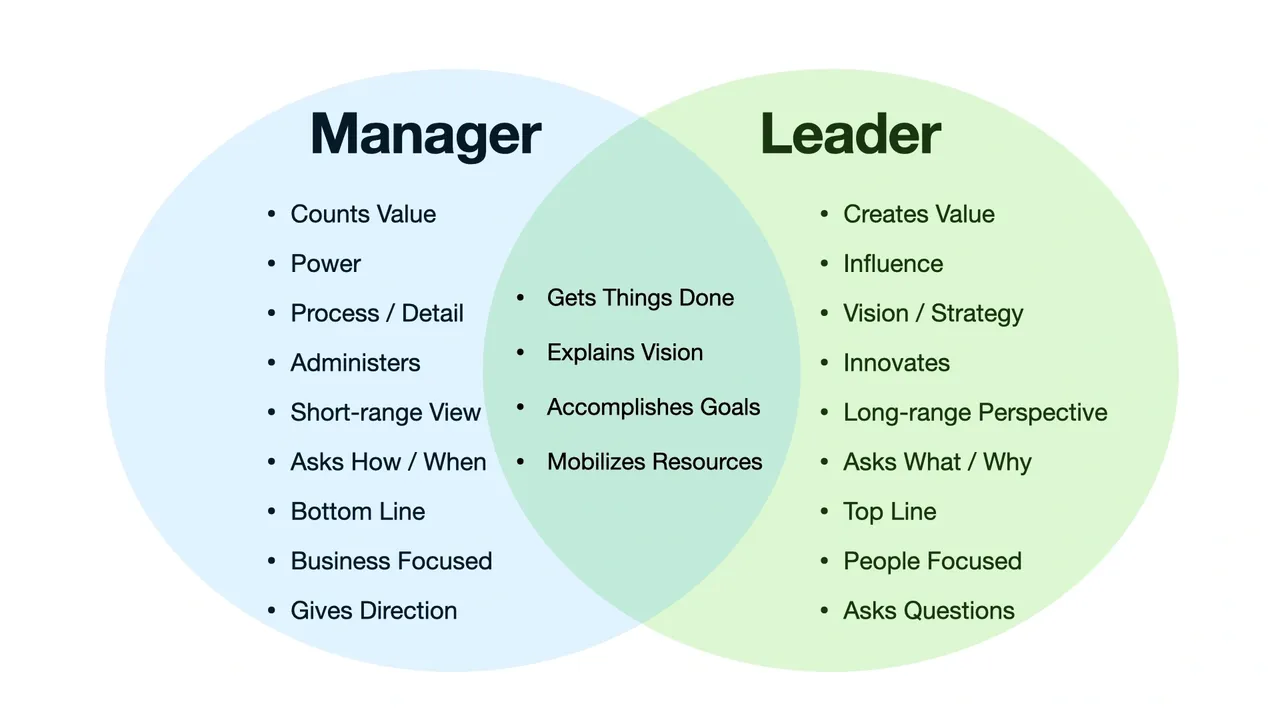
The London market requires professionals who compete in international business to show more than their personal development through self-reflection. Leaders want structured frameworks with specific metrics which enable them to track progress through short intervals, so coaching becomes a system to measure performance instead of a method for professional growth.
AI-augmented programs and on-demand micro-sessions
Technology has become a transformative force which changes current methods of delivering coaching services. A growing share of coaching programs now combine human expertise with AI-supported tools, including automated assessments, microlearning sessions, and real-time feedback systems. According to industry data approximately 40% of executive coaches will implement AI technology for at least half of their sessions by the year 2026 while many organizations have adopted AI systems to monitor their progress (Mendes, Worldmetrics, 2026).
The hybrid models enable micro-coaching implementation through 15-30 minute on-demand sessions and digital "nudges" which occur between meeting times. The rise in popularity of short interventions stems from their ability to match senior professionals' time constraints while they simultaneously sustain their progress in behavior changes and decision-making assistance.
ROI and outcome measurement as procurement baselines
Organizations are increasingly treating coaching as a procurement decision because they consider it to be more valuable than a hybrid leadership benefit. Finance and HR departments now require programs to demonstrate measurable impact through leadership KPIs, leadership scorecards, and performance metrics.
Research shows that organizations which use structured coaching programs achieve better business results and higher returns on their leadership investments, which supports the transition to evidence-based leadership development (GlobeNewswire, 2026).
Executive clients now require coaching programs to start with baseline assessments, include regular progress assessments, and maintain records of development. The assessments should occur at specific intervals which include 90-day plan programs.
Inclusion and psychological safety as performance levers
The main factors in organizations today use psychological safety with inclusive leadership methods to create effective coaching programs. Organizations recognize that team performance needs leaders who can handle diverse viewpoints while creating a trustworthy environment among their multicultural teams. The international business centers in London gain special benefits from these capabilities because their executives must lead teams from a varying coaching culture and handle intricate partnerships with various stakeholders.
Manager-as-coach capabilities in hybrid enterprises
Organizations have started to extend their coaching programs from senior executives to develop manager-as-coach abilities across their entire leadership development process. Companies develop coaching trends through manager training which enables them to use coaching methods that include reflective questioning and feedback loops and structured delegation.
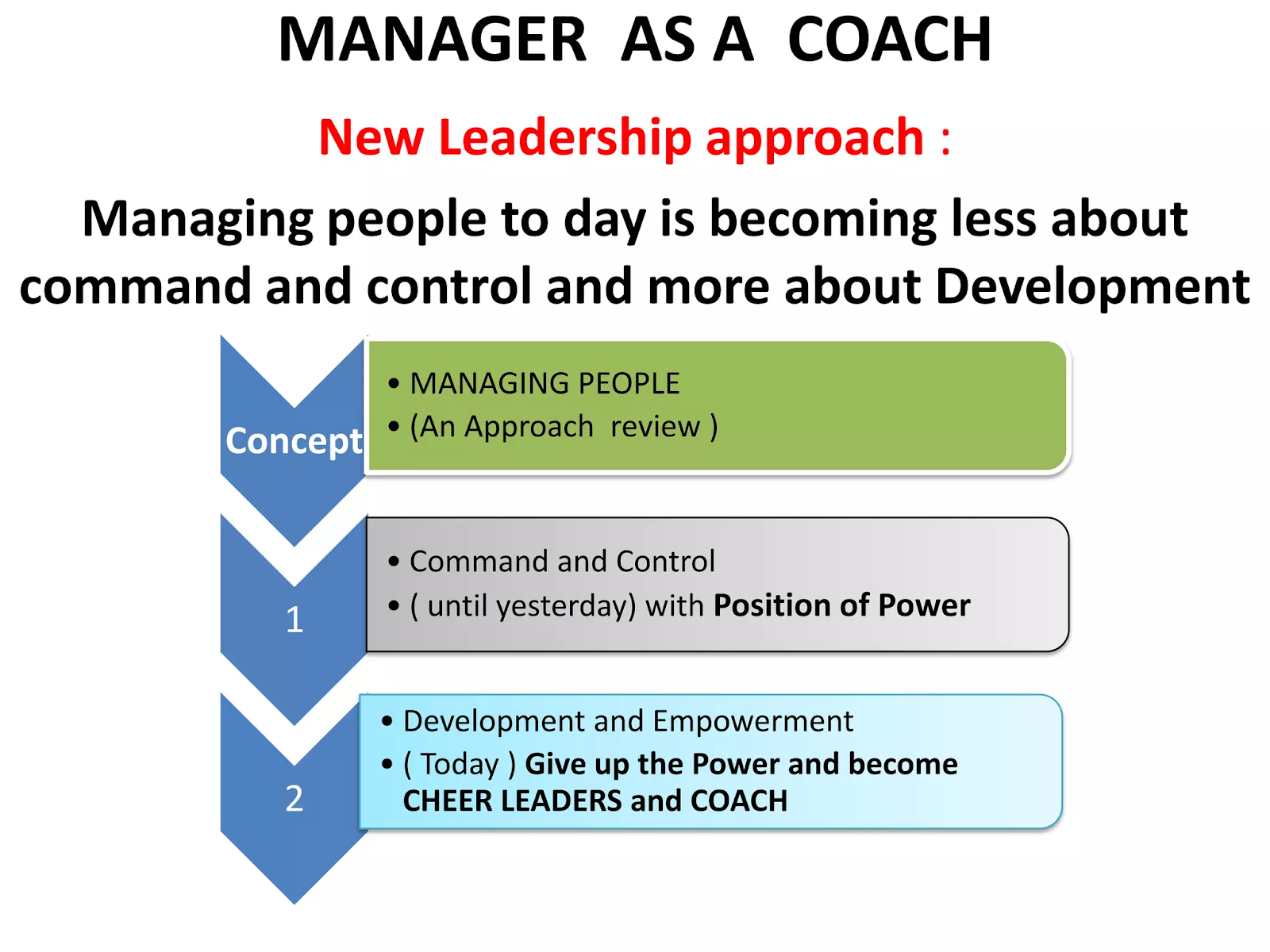
Leaders need to maintain performance and employee engagement and employee wellbeing for their remote teams in hybrid and distributed work environments. Leaders who use coaching methods bring substantial improvements to employee engagement and decision-making and employee retention which demonstrates that coaching functions as an effective leadership development method (Hamilton, WifiTalents, 2026).
What London Clients Value Right Now
London leadership coaching has developed into a practical method which delivers measurable results and burnout prevention because of worldwide business competition and financial assessments and the complexity of stakeholder relationships. Senior professionals increasingly seek coaching programs which help them achieve their operational targets and meet board expectations and handle international leadership responsibilities.
The following GROW framework outlines the practical coaching priorities that London leaders currently emphasize, illustrating how different leadership contexts translate into distinct coaching strategies.
Clients now focus on three specific areas which include strategic clarity and decision velocity and measurable leadership outcomes which they use to evaluate team performance and organizational direction.
Coaching strategies aligned to P&L and board narratives
Executives responsible for profit-and-loss performance require coaching which enhances their ability to establish strategic goals and communicate with board members. Leaders need to create persuasive stories which use operational data to guide board members and build investor trust. Coaches teach financial storytelling skills together with prioritization frameworks and executive presence development required for crucial business discussions.
Coaching strategies for leaders running global
The leaders acquire the ability to maintain centralized strategic control while permitting regional teams to operate with local independence which results in consistent decision-making procedures that support their local needs. The method enhances teamwork between members who work in different locations while it decreases conflicts among remote teams and it expands leaders' power to influence their teams beyond their official position.
Coaching strategies for managers
The first time managers enter their leadership roles they encounter obstacles which include delegation problems and workload management difficulties and team alignment issues. The coaching program creates a structured delegation system which reduces the need for meetings and establishes accountability to show team members who own responsibilities.
Sector nuance: finance, law, hospitality, infrastructure
Coaching in finance teaches professionals how to make decisions when regulatory authorities watch their actions and how to present complex risk information to different audiences. Leadership development programs in legal environments teach professionals how to manage client relationships and use their power to influence others while maintaining their professional reputation.
Hospitality coaching programs teach executives how to achieve operational resilience through people-oriented leadership during demanding service periods. Leaders in infrastructure development and major project execution receive coaching that improves their ability to handle stakeholder interactions and develop plans for extended time periods and make decisions during emergencies.
Coaching Techniques And Styles That Stick In 2026
Professionals who work in difficult situations which global companies and executive positions create need coaching which serves as their mental framework for handling uncertain situations and making decisions while staying on track during stressful times.
Here are the most basic coaching techniques:
- Scenario-based decision rehearsal. Leaders simulate difficult conversations, board presentations, or strategic decisions before they happen, allowing them to refine judgment and communication in a controlled environment.
- Targeted reflective questioning. Coaches use structured questions to surface hidden assumptions, helping leaders uncover blind spots and rethink habitual responses.
- Behavioral micro-experiments. Leaders test small leadership changes, such as new delegation approaches or communication patterns, between sessions and evaluate results systematically.
- Accountability frameworks. Regular scorecards, check-ins, and progress metrics ensure that insights convert into measurable action rather than remaining theoretical.
- Strategic pause techniques. Short reflective pauses built into leadership routines help executives process complex information and avoid reactive decision-making.
Coaching trends create a coaching style that emphasizes clarity, cadence, and measurable progress. Leaders benefit not only from improved self-awareness but from practical systems that strengthen decision velocity, stakeholder influence, and team alignment.
How To Choose And Implement A Program
The process of choosing an effective leadership coaching program should be conducted through a systematic method that assesses candidate fit and evaluates teaching techniques and tracks measurable results. Leaders should assess whether a coaching program will help them address their specific leadership issues and make decisions and achieve their growth objectives instead of selecting a coach based on background or professional standing.
A successful coaching program starts with a diagnostic conversation which progresses through its established measurement framework and uses feedforward feedback loops to guarantee that advancements lead to actual transformations in leadership conduct.
Read a blog on lessons from my first year as a coach.
Discovery call checklist
The initial discovery call should function as a short diagnostic conversation rather than a promotional pitch. Leaders should clarify their primary objectives, leadership constraints, and the outcomes they want to see within a defined timeframe. The coach session structure needs assessment together with progress evaluation methods and the actual workplace decision-making process needs evaluation.
Coach selection signals beyond credentials
Professional certifications show resilience training achievements yet do not predict coaching effectiveness because they function as independent indicators. The coach demonstrates assessment of performance through his capacity to formulate exact inquiries and his ability to exhibit organized thought processes and his use of specific instances which demonstrate leadership growth. Leaders should also look for coaching industry trends in context.
Measurement plan: baseline, weekly metrics, 90-day review
Successful coaching programs depend on specific measurement points which enable tracking of leadership development progress. Leaders create their initial performance assessment through feedforward feedback and time audits and performance indicators at the start of their engagement. The weekly check-ins monitor three specific areas which include behavioral changes and strategic decisions and team outcomes that link to the coaching objectives.
Read on finding focus in a destruction world.
Case Snapshots From Central London
The senior leaders in high-pressure professional environments request coaching services to help them manage their operational limits and discover their leadership weaknesses and solve their strategic obstacles. The case study evidence demonstrates how structured coaching programs lead to measurable results in time management and team performance and leadership confidence.
The executive coaching process starts with executives identifying their leadership limitations before they use specific methods to address those limitations and assess their progress during a specific timeframe. The results which they achieved through their work with Kasia Siwosz demonstrate the typical outcomes which leaders seek to achieve.
Leadership coaching achieves its best results when it uses three elements which are structured analysis and targeted behavioral interventions and measurable outcomes.
The leadership development framework which uses this approach enables London professionals to navigate complex organizational structures and fast-moving coaching industry trends through its practical implementation.
How Kasia Siwosz Meets 2026 Demands
Executive coaching trends 2026 now require measurable outcomes and structured thinking frameworks and global leadership support capabilities as fundamental criteria. Senior professionals no longer look for purely reflective conversations; they seek coaching that functions as a strategic thinking space, helping them test decisions, refine leadership behaviors, and maintain clarity under pressure.

As Kasia explains, “The goal of coaching is a structured progression. Leaders need a space where they can test decisions, challenge assumptions, and convert insight into measurable change within their real working environment.”
Kasia Siwosz develops her coaching practice through a 1:1 resilience training system which uses cadence and accountability to track student success. She develops her assessment methods through her experience in elite performance settings which she combines with her practical leadership development expertise.
Summary — Make 2026 The Year You Operationalise Coaching
For London professionals operating in competitive global environments, the most effective coaching combines clear frameworks, behavioral experimentation, and measurable progress cycles. When applied through structured programs, baseline assessments, weekly metrics, and 90-day plan, coaching becomes a repeatable process that strengthens leadership capacity, improves team performance, and supports long-term organizational outcomes.
If you want to translate leadership insight into measurable results, begin with a 15-minute fit conversation to clarify your goals, leadership challenges, and expected outcomes. A structured coaching cadence can then turn strategic reflection into practical action, helping you move from managing complexity to leading with clarity, influence, and measurable impact.
FAQ
What is the weekly time commitment for a 1:1 engagement in London?
Most 1:1 coaching engagements require about 60-90 minutes per week for sessions plus brief preparation or reflection time.
Which metrics should I track weekly to prove ROI on coaching?
Track indicators such as reclaimed strategic time, decision turnaround speed, team engagement signals, and progress toward defined ROI of coaching.
How do I choose between individual coaching and cohort-based coaching?
Choose 1:1 coaching for confidential, highly personalized leadership challenges, and cohort-based coaching when peer learning and shared leadership development are priorities.
How is confidentiality handled in AI-enabled and virtual sessions?
Confidentiality is maintained through secure platforms, data-protection protocols, and explicit agreements defining how session data and AI-generated notes are stored and used.
What pricing and cancellation terms are standard for a coaching in London?
Most data-driven coaching agreements involve package-based pricing with scheduled sessions and clear rescheduling or cancellation policies defined in advance.
What red flags indicate I should not proceed with a coaching provider?
Warning signs include vague methodologies, no measurable outcomes, unclear confidentiality policies, or excessive focus on credentials without practical results.
References
- Samuel Norberg. Executive Coaching Statistics: Market Data Report 2026.
- Rafael Mendes. Ai In The Executive Coaching Industry Statistics: Market Data Report 2026.
- Research and Markets. AI-Powered Coaching Tools Drive Growth in Executive Development.
- Trevor Hamilton. Executive Coaching Industry Statistics.