Aspects of Identity and How They Shape You

New page
Aspects of Identity and How They Shape You
'Identity' is a complicated term that is influenced by individual qualities, family dynamics, historical events, and social context. Who am I? The response, at different aspects of identity, is heavily influenced by who the people around me perceive me to be.
Erik Erikson, the psychoanalytic thinker who popularised the phrase identity crisis, proposed that the social, cultural, and historical environment is the foundation upon which individual identity is based.
What Identity Means in Everyday Life
Self-identification is the collection of attributes, core beliefs, appearances, and expressions that define a person or group. Self-identification begins in childhood when children begin to understand their own self-concept, and it maintains a persistent element throughout life.
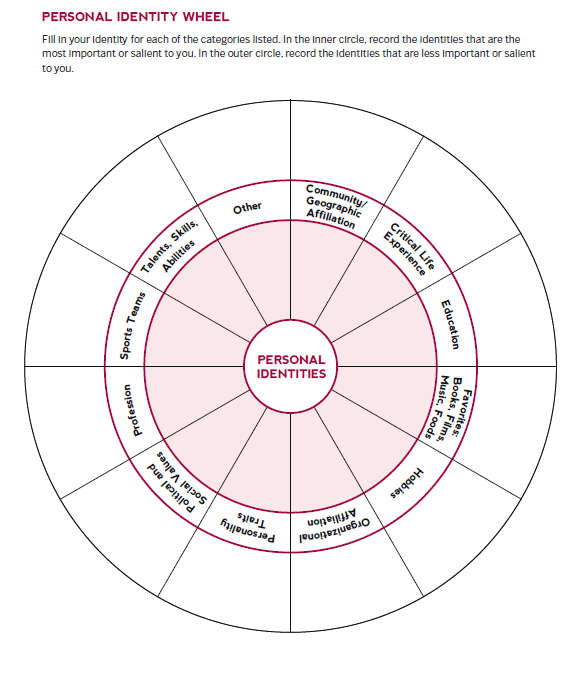
People who experience self-consistency may find their identity changes, while other people experience complete identity transformation, which results in them doubting all their beliefs and actions and their attitudes [1]. The factors which shape parts of identity can be traced back to both internal elements and external elements which we can choose to blame (or not):
If the brain has determined that consistency is not part of the package, no amount of effort will change that. The brain retains past identities like a bad habit. It's not even a habitual problem.
Internal parts of identity
Your internally held identity consists of the core beliefs, values, goals and self-narratives which you use to understand your experiences. The development of these elements continues throughout your life and establishes a permanent way for you to perceive your own identity [2].
Thus, when we’re speaking about internal parts of identity, we refer to:
- Deeply held principles which control your decision-making process and determine your most important life values.
- Your self-concept strengthens through your two essential components, which include standard methods for understanding experiences and managing your emotional responses.
- Your life purpose needs to establish main life objectives which will guide your future life trajectory.
Example: A professional may see themselves as a lifelong learner. The self-concept drives him to learn new skills which he needs and view his obstacles as chances to acquire knowledge while he keeps developing as a person despite facing outside difficulties.
External identity factors
Social identity factors refer to all external identity elements which combine social identity elements with cultural identity elements and role-based identity elements which people use to evaluate themselves. The combination of external and internal parts of identity creates a process which leads to behaviours and the development of social connections [3].
External identity factors include:
- Family relationships and organisational roles and community positions which create defined duties and expected conduct patterns for individuals.
- Cultural standards and social symbols which show sense of belonging to a group or status as an outsider within a community.
- Your public image, which people create through their perception of your reputation and your official titles and common stereotypes.
Example: A lawyer working in a minority-owned law firm faces the challenge of being seen as a champion for justice while also representing his ethnic community. The external responsibilities people have developed through time shape their regular social contacts.
Key Components of Human Identity
People develop their identities throughout their lives when they balance their inner values with their outside responsibilities, according to Erikson's research framework. The model establishes three aspects of identity which define a mature identity through its ability to maintain unique qualities and internal consistency while showing different aspects of itself [4].
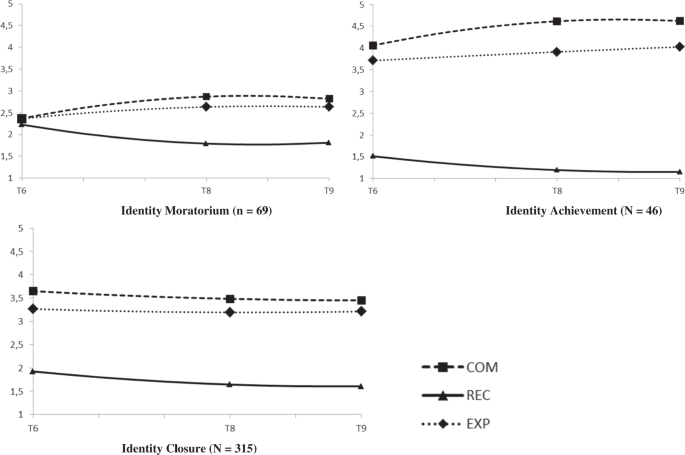
In detail:
- Distinctiveness: The quality of being different from other people who possess distinctive personal characteristics and their specific ways of thinking and feeling and their unique social connections.
- Coherence: The way different parts of a person's identity combine to create a unified self-image which maintains internal consistency across different life situations and relationship dynamics.
- Continuity: A person sees their identity as unchanging throughout their life because they maintain a continuous sense of self from their past to their present and upcoming future experiences.
The research shows that components of human identity can be measured through empirical study. The three development stages of distinctiveness, coherence and continuity show different patterns of growth which help researchers understand identity development [5].
Values and beliefs
The internalised principles, together with ethical standards and personal beliefs, function as the fundamental elements that shape how people make decisions and understand their life experiences. The ability to distinguish oneself from others through these attributes creates distinctiveness, which leads to the development of a personal moral identity and cognitive identity that exists outside of shared social roles.
Roles and relationships
The term describes the different roles people play in society, which include their roles as family members, their work as professionals and their involvement in community activities. The system maintains unity because it requires people to act according to their expected roles while they fulfil their personal identity duties throughout different situations.
Culture and life experience
The dimension consists of all the shared traditions and cultural background and personal experiences which shape how people perceive things and create meaning and develop their worldviews. The system maintains its unchanging nature through its ability to keep the same identity throughout time while using its fixed structure to interpret and link its experiences.
Identity Challenges in Modern Careers
Your aspects of identity now connect more closely with your work than it did before. People use work as their primary method to establish their personal worth and life purpose and social connections. The process of finding work-related meaning boosts worker motivation but when employees become too attached to their jobs, they lose their personal limits, which leads to increased dangers of burnout and stress and mental detachment.
Leaders need to develop a multifaceted identity through their practice of establishing work-life limits and their commitment to values which extend beyond their career responsibilities, thus protecting their personal health and their team's ability to bounce back from challenges. You need to build a plausible self-narrative.
Identity shifts in midlife and leadership
The argument shows that career fit depends more on identity alignment than it does on skill assessment. The structured identity which you developed from your values and meanings and enactments enables you to view job searching as a method to test your compatibility with potential employers. Interviews assess an ability to perform but they serve another purpose.
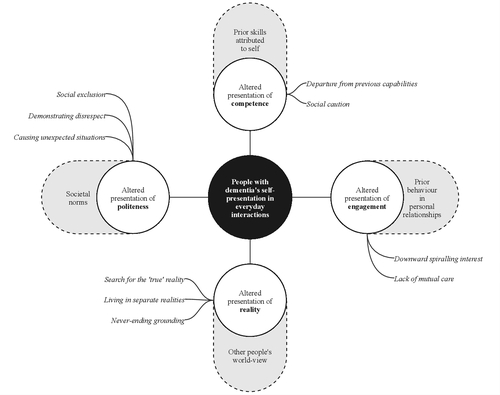
The assessment for what is your identity determines how much psychological distance you need to create in order to perform your new position. The questions you ask yourself matter because they reveal whether the role will stretch your identity slightly or force a deeper existential rupture.
The dangers of over-identification
Research shows that professionals who develop a single identity for their work face higher risks of experiencing burnout and anxiety and reduced psychological health, while employees who maintain diverse identities across their professional and personal lives experience protection against these dangers [6].
Leaders must create and maintain boundaries between work responsibilities and personal identity through three methods, which include (1) reserving time for activities that hold personal significance, (2) developing connections with others beyond the workplace and (3) engaging in activities that promote their personal and professional development beyond their work responsibilities.
When your role no longer fits your self
People experience role conflicts when their held identity for certain positions conflicts with their personal values and abilities and their developing needs for purpose. What is your identity? The mismatch between expectations and personal growth creates tension because external requirements remain unchanged while internal aspects of the individual have transformed.
Diagnosing and responding to role–self misalignment:
- Role-self alignment check: Notice persistent signals of mismatch, disengagement, or value conflict in decisions, or feeling “on stage” rather than authentic while leading.
- Identity load check: Assess whether your role has become the primary source of self-worth, difficulty resting, fear of status loss, or emotional overreaction to work.
- Adjustment pathway check: Determine whether alignment can be restored by redefining boundaries, reshaping responsibilities, or updating success criteria. If not, plan a transition that preserves identity continuity rather than remaining misaligned.
The leaders need to complete their responsibilities because they should not let their obligations to others become their permanent psychologically binding roles which they cannot escape.
Exploring Identity with Coaching
Leaders need to deliver results while remaining true to their authentic selves. The process of coaching for identity work creates a structured environment where individuals can explore how their personal beliefs intersect with their work duties and future career objectives. The strategic advantage of this programme enables leaders to manage identity changes while preserving their professional performance and personal health.
How coaching conversations deepen self-awareness
Coaching conversations provide more than basic guidance to their participants. A participant uses targeted questions and structured self-awareness methods to identify blind spots and understand internal motivations and assess decision-making processes in relation to what is your identity. Leaders acquire the ability to make quick decisions based on clear understanding, which allows them to maintain both their personal values and the trust of their team members.
How Kasia Siwosz supports clients in identity work
Kasia Siwosz specialises in identity-based leadership coaching, which helps her clients develop practical strategies for their growth through her coaching method. She uses her expertise to assist leaders in identifying their persistent core identity, which they express through their values and their actions. Leaders establish work-life boundaries which are sustainable and they develop their multiple identities while maintaining their health.

The result is a leadership presence that is authentic, adaptable and resilient, which enables leaders to navigate their career transitions and organisational changes and personal growth with confidence. Contact for a chemistry session!
FAQs
What are the main components of human identity?
Life experiences, values, beliefs, roles, relationships, and culture all are the components of human identity.
How do family and culture influence identity?
Family and culture provide social norms, expectations, and traditions that guide behaviour and self-concept.
Can your identity change over time?
Yes, identity evolves through experiences, cultural background, and personal growth across the lifespan.
What is the difference between identity and personality?
Identity reflects how you see yourself and your social roles, while personality describes consistent behavioural and personality traits.
How do life transitions affect your sense of identity?
Major transitions can challenge self-perception, prompting reflection and potential redefinition of identity.
How can coaching help you explore your identity?
Coaching with Kasia Siwosz provides structured reflection, feedback, and strategies to clarify values, goals, and self-concept.
What are signs that you are struggling with your identity?
Confusion about roles, lack of direction, low self-worth, or feeling disconnected from your values indicate identity struggles.
References
- Unresolved attachment and identity diffusion in adolescence. Published online by Cambridge University Press
- Dynamics of Identity Development in Adolescence: A Decade in Review
- Social Identity: Clarifying its Dimensions across Cultures
- A Review and Integration of Three Key Components of Identity Development
- Longitudinal Relations among Identity Distinctiveness, Continuity, and Integration among Dutch Adolescents
- Association Among Professional Identity, Burnout, and Mental Health in Medical Students: A Cross-Sectional Study