Leading with Confidence: How Women Executives Benefit from Coaching


The majority of workers hold entry-level positions yet tend to overlook women's advancement to executive roles because they make up the largest portion of the workforce. The promotion rate for women to leadership positions stands at 86 for every 100 men who receive such promotions (Krivkovich, A., Goldstein, D., & McConnell, M., McKinsey, 2025).
Only 20% of corporate positions belong to women.
The existing differences create extra obstacles for women which result in feelings of self-doubt whenever they achieve executive status. Organizations can establish gender equality while developing female leadership abilities through coaching programs.
Women leaders achieve improved stress reduction and motivation and coping skill development through executive coaching programs designed specifically for their needs. The coaching sessions assist leaders in discovering their leadership style deficiencies while they develop essential skills for better performance.
The Confidence: Competence Gap at the Top
Research consistently shows that women in senior leadership positions demonstrate a confidence gap because they possess strong skills and achieve measurable results yet their self-perception together with their risk aversion stops them from taking on high-stakes projects and defending their teams.
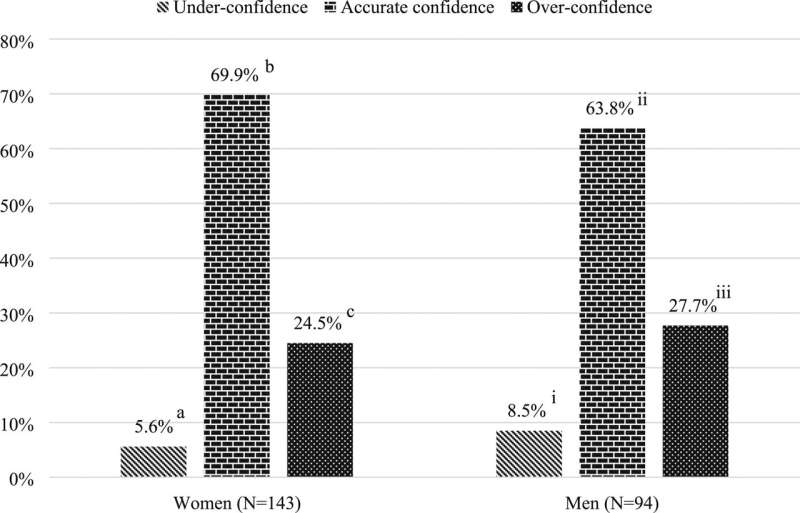
Studies indicate that this gap can reduce visibility and slow promotion trajectories, even when performance metrics match or exceed male peers (Smith, E., & Birindelli‑Fayne, R., Catalyst, 2025). The coaching interventions establish a structured framework that enables executives to reflect on their decisions while they learn to improve their ability to assert themselves.
Why senior women plateau despite strong performance
Data shows that high-performing women experience performance stagnation because they face both systemic obstacles and internal pressure to perform well. The design of mentorship vs sponsorship for women programs and informal networking systems and the existing visibility biases give male leaders an advantage which restricts their access to top executive positions.
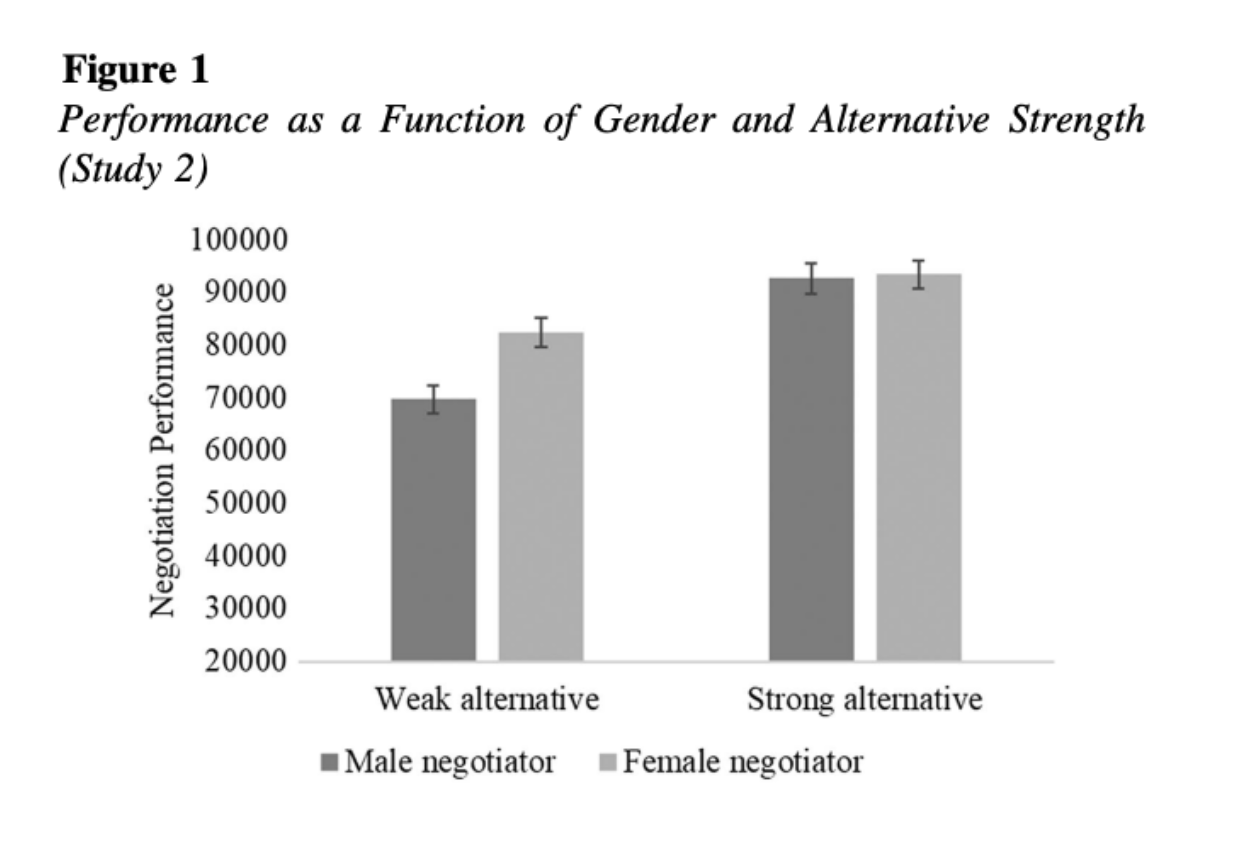
Research also shows that women leaders tend to undervalue their accomplishments while they experience difficulties with negotiation skills for women and they choose to work together through methods that involve less risk which hinders their career advancement (Grant, A. D., & Taylor, A. 2014). A female leadership coach London helps women overcome their leadership challenges through training that boosts their confidence and provides them with tools to better assess their choices and develop customized strategies for advocacy which will help them achieve their goals.
London context: high-stakes visibility, scrutiny, and sponsorship dynamics
Sponsorship for women leaders opportunities are often concentrated in a few networks which creates additional pressure for women to achieve perfect performance while they deal with cultural expectations and organizational political situations. A McKinsey & Company (2021) survey demonstrates that coaching programs in London now deliver essential skill development together with psychological safety and executive visibility strategies and sponsorship navigation guidance.
The coaching process serves as both a development tool and a protective system which helps individuals transform their skills into superior leadership results while preventing them from reaching performance limits.
High-Impact Levers for Women Leaders
Modern coaching helps women use their strengths while they work to overcome common obstacles which include imposter syndrome and negotiation difficulties which enable them to achieve long-term female leadership success. The table below shows the connection between essential levers and their corresponding strategies and results.
Executive presence without overcorrection
Effective executive presence exists as a requirement which demands confidence for women executives methods that enable women to showcase their achievements while making decisions. The study identifies particular communication methods which include short accomplishment framing and inclusive non-verbal communication as tools that help decrease bias while increasing strategic visibility.
Negotiation and promotion readiness without burnout
Women face documented challenges in negotiation contexts and experience burnout at high rates in executive roles. Female leadership coaching that combines evidence‑based negotiation frameworks with wellbeing practices helps leaders advocate for themselves effectively while maintaining sustainable performance.
Imposter-pattern interrupts and evidence-based confidence
Imposter feelings affect women leaders more than other groups because these feelings lead to decreased career aspirations. The research demonstrates that specific targeted interventions which include cognitive reframing and personalized branding and success narrative rehearsal can create breaks in existing patterns while developing evidence-based confidence for women executives that supports promotion and leadership presence.
Case Snapshots
Through her coaching work in Central London, Kasia Siwosz demonstrates how leaders develop their skills through different executive positions. The research findings demonstrate four persistent patterns which hinder organizations from reaching their strategic goals. The obstacles faced by exceptional leaders who seek to expand their leadership abilities represent typical challenges.
Key case highlights:
- Senior executive (financial services): Time audit and delegation restructuring with weekly 1:1 coaching. Reclaimed 8-10 hours weekly for strategy and launched two new initiatives.
- Founder (growth-stage company): Delegation frameworks and team alignment cadence. The senior team assumed ~50% of operational work, enabling the founder to focus on growth strategy.
- Senior manager (corporate environment): Executive presence coaching, stakeholder mapping, and communication rehearsal. Gained visibility in leadership meetings and cross-functional influence.
The coaching program which used structured methods to teach delegation and time management and communication skills produced return to work leadership improvements through increased strategic time usage and better team responsibility and enhanced executive presence.
Why Kasia Siwosz for Women Executives
Kasia Siwosz helps women executives show their leadership abilities through their successful work performance. Her female leadership coaching program develops executive presence and strategic communication skills which enable executives to manage their stakeholder relationships.

She provides leaders with structured reflection and communication rehearsal and practical leadership frameworks which enable them to make decisions and manage complex organizational situations while maintaining their authentic leadership style.
Practical Playbook for the Next 90 Days
The 90-day playbook delivers practical value through its two main systems which work together to create a unified system. The first system, confidence systems, helps people achieve internal clarity through their achievement of minor victories. The second system, power metrics, measures how leaders affect their organizations through three specific performance indicators.
Read on lessons from my first year as a coach.
Confidence systems
The evidence which leaders need to build their confidence becomes available through their first successful outcomes. The process of breaking down leadership objectives into weekly tasks creates micro-wins which provides executives with constant progress updates. Rehearsal techniques, such as preparing narratives for board discussions, further strengthen decision clarity before the moment of execution.
After important meetings or decisions, leaders can use structured reflection and targeted feedback to improve their communication and influence skills. The cycle transforms confidence from a subjective feeling into a pattern which shows visible results.
Power metrics
The confidence systems function their internal processes while power metrics measure how leaders affect their external environment. Leaders track their strategic contributions through visibility which shows their participation in important initiatives. The total of decisions shipped shows how many important decisions progressed from discussion to execution which strengthens leadership responsibility.
Stakeholder wins measure influence across networks, alignment gained with sponsors, cross-functional partners, or senior decision-makers. The indicators require weekly monitoring to help leaders establish the relationship between their female leadership coaching activities and tangible results which affect the organization.
How to Begin: A Focused Fit Call
A focused fit call is designed as a short diagnostic conversation rather than a promotional meeting. The coaching relationship needs to be assessed through three specific areas which include the leader's current challenges and decision-making situation and leadership development for women objectives. You assess working chemistry, analytical depth, and whether the approach can translate insight into outcomes.
What typically happens during a fit call:
- Clarifying the leadership challenge: identifying the key constraint affecting performance (time pressure, stakeholder friction, visibility, decision overload).
- Defining desired outcomes: outlining what measurable progress would look like over a 60-90 day coaching cycle.
- Understanding the coaching process: reviewing cadence, session structure, and how insights translate into workplace actions.
- Assessing fit and communication style: evaluating whether the conversation feels analytical, focused, and constructive.
- Discussing measurement: exploring how progress will be tracked through metrics such as decisions delivered, strategic time reclaimed, or stakeholder alignment.
The productive fit call should provide both parties with complete understanding of the potential engagement which includes the leadership constraint that needs resolution and the coaching process framework and the expected measurable results of their collaborative work.
Summary: Confidence as a Repeatable Operating System
Women executives often reach senior roles with strong performance records yet face structural visibility barriers, confidence gaps, and higher scrutiny in leadership environments. Coaching addresses these constraints by transforming confidence from a personal trait into a structured leadership system built on clear decision frameworks, stakeholder influence, and measurable outcomes. Through targeted strategies, executive presence for women and strategic communication, leaders convert competence into visible authority and career progression.
If you want to translate strong performance into clearer leadership impact, start with a focused 15-minute fit call with Kasia Siwosz to assess your leadership priorities, identify key constraints, and determine whether a structured 90-day coaching cycle aligns with your goals.
FAQ
How do I know if coaching is right for me as a senior woman leader?
Coaching is typically useful when you already perform well but want clearer strategic influence, stronger visibility, or faster leadership progression.
What measurable outcomes can a 1:1 program deliver in 90 days?
Within 90 days, leaders often see outcomes such as reclaimed strategic time, clearer decision-making, stronger stakeholder alignment, and improved presence in high-stakes meetings.
What is the standard cadence and format for a 1:1 engagement in Central London?
Most engagements follow weekly or bi-weekly 60-minute sessions with practical actions between meetings and periodic progress reviews.
Which metrics should I track to prove ROI on confidence and leadership growth?
Useful metrics include decisions shipped, strategic time gained, leadership visibility in key forums, and stakeholder alignment wins.
How does coaching improve executive presence without changing my personality?
Coaching focuses on communication clarity, decision framing, and behavioral habits so leaders strengthen influence while remaining authentic.
How is confidentiality handled during and between sessions?
Professional coaching engagements maintain strict confidentiality, meaning discussions and personal insights are not shared without explicit consent.
How is coaching different from therapy for work-related challenges?
Coaching concentrates on forward-looking leadership performance and decision effectiveness, while therapy typically addresses psychological wellbeing and past experiences.
References
- Alexis Krivkovich, Drew Goldstein, and Megan McConnell. Women in the Workplace 2025. McKinsey & Company and LeanIn.Org, 2025.
- Ellie Smith and Rikia Birindelli-Fayne. It’s Time to Evolve How We Develop Women Leaders. Catalyst, 2025.
- Anett D. Grant and Amanda Taylor. Communication Essentials for Female Executives to Develop Leadership Presence: Getting Beyond the Barriers of Understating Accomplishment. Business Horizons, 57(1), 2014.
- McKinsey & Company. Psychological Safety and the Critical Role of Leadership Development. 2021.