From Tennis Courts to Boardrooms: Kasia Siwosz’s Journey to Coaching High Performers

The coaching philosophy of Kasia Siwosz emerges from her experience in elite sports which requires continuous evaluation and adjustment of athletic performance during high-pressure situations. The WTA circuit and resilience training of the former professional tennis player required her to develop discipline and mental toughness and to respond to coaching feedback for her to achieve success. The same principles now shape her work with executives and founders who lead businesses in high-pressure situations.
The transferable skills from sport which athletes develop through competitive sports show direct applicability to business success because these skills include discipline and goal orientation and teamwork and leadership abilities (Sela O 2021). The study of leadership shows that athletes and team leaders develop strategic thinking abilities through their experiences in specific environments (Cairney J Richard V Legg D 2024).
The Performance Mindset: From Elite Sport to Executive Impact
Elite athletes learn early that talent alone is insufficient; sustained performance requires structure, coaching, and continuous adjustment. Siwosz applies this athletic mindset to leadership development, helping executives build the same systems athletes use, such as clear goals, performance analysis, and structured improvement cycles. The high performers need life coaches in London who will both question their basic beliefs and hold them responsible for their actions according to her.
Discipline, feedback loops, and pressure as a training ground
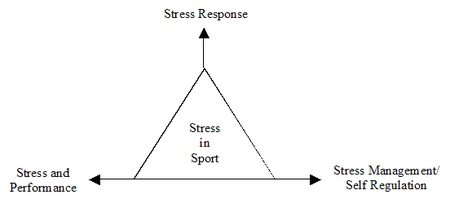
Competitive tennis requires players to control their emotions while making quick strategic decisions and they must also possess skills to recover from every setback. Siwosz uses feedback loops and performance evaluations and stress management methods to develop his leadership coaching approach. The resilience training methods of visualisation and scenario planning together with structured reflection, help executives keep their focus during their most demanding work situations.
Translating competitive focus into business outcomes
The result creates a coaching method which treats leadership as a discipline that needs to be performed. Clients establish strategic objectives while they assess their progress and they learn to take full responsibility for their results.
Siwosz enables leaders to transform their competitive athletic mindset into actual business outcomes by integrating mental resilience with accountability systems and long-term strategic planning.
Why High Performers Plateau in Central London Roles
The plateauing of women and minority leaders results from two main factors which include structural perception biases that make them face role incongruity and impede their access to important networks. Research on gender and leadership demonstrates that existing stereotypes together with restricted sponsorship options create extra obstacles for women who seek to advance their careers through stretch assignments while their accomplishments face lower chances of recognition from executive leaders (Rensburg, Signium, 2026).
Visibility, sponsorship, and decision velocity
High performers can stall not because of a lack of ability but because their achievements aren’t visible to the right stakeholders. Research and leadership development analysis show that as roles expand, responsibility often increases faster than visibility and influence over strategic forums (Business Matters, 2026). Career plateauing arises from two factors because high performers lack sponsorship and enterprise-level representation in discussions which prevents their achievements from being recognized and their career advancement.
The competence-confidence gap at senior levels
The competence-confidence gap serves as a permanent structural obstacle which prevents people from becoming leaders. Leadership research shows that executives who possess advanced technical and operational abilities do not receive sufficient honest feedback while their strategic readiness remains untested (Sharma and Forbes 2026).
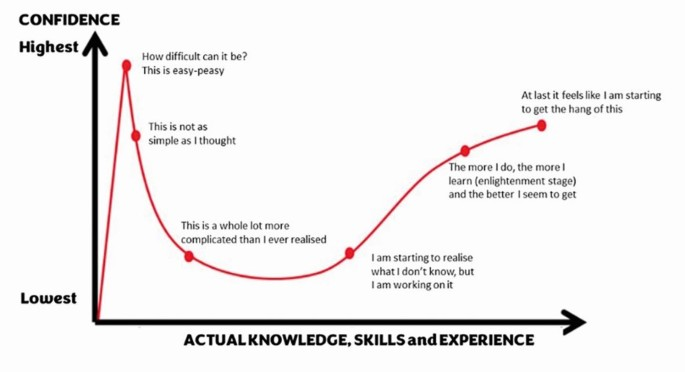
Leaders experience decision-making difficulties because they perform well but their results create doubt among stakeholders who need fast decisions.
Building a Repeatable System for Growth
A repeatable growth system ensures that leadership development moves beyond reflection and into actionable behaviors by integrating discovery, alignment, and constraints with a weekly cadence, practical fieldwork, and quantifiable performance psychology. When leaders use this structure, they gain faster decision-making abilities together with increased power to influence stakeholders, which helps them stay focused on their main goals during stressful times.
Leaders establish deliberate practice through their structured cycle which includes discovery and alignment and application and measurement until they achieve their development goals which they can track through specific results while their organization maintains strategic growth during challenging situations.
Discovery, alignment, and operating constraints
Leaders start their process with a defined discovery cycle which helps them determine present organizational capabilities and limitations and their most important development areas. The organization uses 360° feedback and stakeholder mapping and time audits as tools to identify operational obstacles which affect visibility and decision-making and delegation processes. Leaders demonstrate their main work priorities and decision-making powers to create strategic outcomes through their efforts rather than chasing unimportant work.
Weekly cadence, fieldwork, and scorecards
The regular sessions with life coaches in London use scenario practice and specific questioning and leadership tasks to create performance momentum. Fieldwork enables leaders to develop new skills by testing communication frameworks and overseeing projects and their respective initiatives. The development progress is monitored through scorecards which include numerical metrics together with stakeholder achievements and the strategic visibility of key decisions, which transforms abstract development objectives into concrete marginal gains.
What Changes When Leaders Train Like Athletes
Research in performance psychology shows that athletic training methods develop athletes who succeed in sports and their performance as leaders (Hambrick et al., 2014).
Athletes develop their discipline through pre-performance routine and feedback. Leaders who implement structured systems achieve less cognitive stress while their ability to concentrate during challenging situations improves and their sustainable high performance develops which benefits their personal work and group performance.
Key shifts when leaders train like athletes:
- Executive presence under pressure: Athletes practice presence through performance routines; similarly, leaders who rehearse communication, situational responses, and non‑verbal cues strengthen presence in high‑stakes settings. Research on leadership presence indicates that deliberate rehearsal and feedback improve how leaders are perceived in strategic forums, reducing bias and increasing influence.
- Recovery, energy, and sustainable output: Performance science underscores that recovery, mental and physical, is integral to sustainable high output. Leaders who schedule downtime, reflection periods, and recovery protocols exhibit better decision clarity, reduced burnout, and higher resilience, aligning with findings that sustainable performance depends on restorative practices as much as practice cycles.
Leaders who apply athletic principles, structured practice, data‑informed feedback, and prioritised recovery, build a performance psychology system that supports consistent strategic impact rather than episodic effort. The new approach allows leaders to think clearly when facing high-pressure situations, to maintain their energy through various obstacles, and to achieve successful marginal gains throughout an extended period.
Case Snapshots
Kasia Siwosz provides executive coaching services from her Central London location to assist high-performing leaders who have reached their current limitations to achieve greater success. The executive director of a financial services company encountered operational demands which restricted his ability to engage in strategic business activities.
The founder established flow state frameworks together with team alignment sessions and an accountability cadence which enabled the senior team to take on approximately 50 percent of their duties while the founder could concentrate on business expansion.
The case study showed a senior corporate manager who possessed exceptional technical abilities yet lacked proper visibility. Kasia's coaching program taught executive presence under pressure together with stakeholder mapping abilities and communication rehearsal techniques which helped her to improve her confidence during leadership meetings.
London Context: City, Canary Wharf, Mayfair
Leadership functions within complex systems that include financial services and legal companies and consulting firms and international business operations at commercial sites such as Canary Wharf and Mayfair. Organizational studies demonstrate that leaders who adapt their leadership style through flexible communication methods achieve better decision-making results and their teams grow more effectively (Górka et al., 2025).
High-stakes meetings and sponsor mapping
High-stakes meetings function as both decision execution platforms and leadership credibility assessment opportunities which enable established leaders to demonstrate their competence. The stakeholder analysis research demonstrates that leaders who identify essential stakeholders and evaluate their power and urgency and legitimacy attributes can create effective engagement strategies which lead to successful alliance partnerships and stakeholder sponsorship results.
Managing client, investor, and team expectations
People need to handle various responsibilities because high-pressure situations demand more than just executing tasks. Leaders who use systematic mapping methods together with personalized communication strategies can better control their expectations which leads to decreased conflict and improved trust-building with clients and investors and internal teams.
Principles Behind the Practice
Effective executive coaching achieves its goals through its combination of structured methods and established relationship knowledge which leads to marginal gains that can be assessed. The method applies measurement through its collaborative work with partners to create interventions which remain usable and effective over time.
The approach guarantees that leadership development will become a systematic process which organizations can implement to develop their leaders while building trust and improving decision-making speed and strategic power.
Evidence, iteration, and measurable progress
Leadership development works most effectively when organizations evaluate their findings through ongoing testing and subsequent refinement. Leaders can track their behavioral effects through a combination of metrics assessment and feedback loops and structured reflection methods.
Partnership, radical candor, and accountability
The relationship between a female life coach and a leader determines how effective coaching will be. Open, trusting partnerships allow for honest dialogue, while radical candor highlights blind spots and accelerates growth. This system together with its clear accountability processes, ensures that new behaviors will be implemented, monitored, and strengthened, which leads to successful leadership development.
Why 1:1 With Kasia
The coaching process develops executive presence under pressure and strategic communication and decision-making under pressure competencies into observable leadership capabilities during the 1:1 coaching sessions with Kasia Siwosz.

Her method combines structured reflection together with iterative skill-building and measurable progress tracking which helps leaders learn and apply their knowledge in critical situations. Kasia explains that coaching aims to establish a repeatable system which transforms insights into actions that create measurable results.
Read a blog on lessons from my first year as a coach.
How to Start
Starting a leadership coaching engagement is about clarifying fit, setting expectations, and defining early goals to ensure measurable progress from the outset. A focused approach lays the foundation for rapid impact and sustained growth. In detail:
- Clarify leadership challenge: Identify the key constraint affecting performance (time, visibility, decision bottlenecks).
- Define desired outcomes: Establish what success looks like over the first 60-90 days.
- Understand the coaching process: Review session structure, cadence, and how insights translate into action.
- Assess fit and chemistry: Ensure the coach’s style aligns with your working preferences and analytical needs.
- Discuss measurement: Agree on how progress will be tracked through metrics like decisions delivered or stakeholder alignment.
Leaders who complete these steps will begin their coaching process with both clear objectives and defined purposes, which will help them achieve structured development and visible outcomes from their initial coaching session.
Summary: Turning Competitive Drive into Executive Results
Harnessing the focus, discipline, and resilience that drive elite performance can transform how leaders operate in high-pressure executive roles. By starting with a clear fit and establishing measurable goals, coaching becomes a structured system for translating competitive drive into tangible business outcomes. A defined approach ensures that each session builds on actionable insights, reinforcing both confidence and influence over time.
Book a focused session today to assess alignment, clarify priorities, and map the first steps of a leadership journey designed to convert potential into visible, strategic results.
FAQ
How does elite tennis experience translate into executive performance gains?
The discipline, feedback loops, and energy management developed in elite tennis help leaders maintain focus, make rapid decisions, and perform under high-stakes conditions.
What measurable outcomes can a 1:1 program deliver within 90 days?
Leaders typically see data-driven improvement in strategic decision-making, delegation efficiency, team alignment, and reclaimed time for high-impact initiatives.
What is the standard session cadence for a Central London engagement?
Weekly or biweekly 1:1 sessions are common, with flexibility for high-pressure cycles or urgent leadership challenges.
Which roles in finance, law, or tech benefit most from this approach?
Senior executives, managing directors, and high-potential managers navigating complex stakeholder networks or cross-functional teams see the strongest impact.
How is progress tracked between sessions?
Using structured metrics such as strategic decisions shipped, stakeholder alignment achieved, visibility in leadership forums, and feedback from peers or direct reports.
How is coaching different from therapy for work-related challenges?
Coaching focuses on skill-building, data-driven improvement, and measurable business outcomes, rather than treating psychological disorders.
How is confidentiality handled in a 1:1 engagement?
All discussions, documentation, and metrics are treated as private, with explicit agreements ensuring that personal and organizational information is protected.
References